Twin Newborn Guide
Twin Newborn Survival Guide
Realistic tips for surviving the first weeks at home with two babies.
Important Disclaimer
This guide shares general information and common experiences. It is not medical advice. Always follow your pediatrician’s guidance and contact them with any concerns about your babies.
Bringing home two newborns is exciting, emotional, exhausting, and a little overwhelming. The first weeks often feel like a beautiful blur of feeding, sleeping, diaper changes, healing, and learning how to care for two tiny humans at the same time.
As a twin mom and registered nurse, I remember wishing someone would hand me a guide with practical advice instead of perfection. Not “get the babies on a perfect schedule” advice. Real advice for real parents surviving on tiny naps and reheated coffee.
Every family finds their own rhythm, but these are the lessons, tips, and small victories that helped us get through those unforgettable first weeks.
Quick Navigation
Feeding Two Babies
Newborn twins usually need frequent feeds, often every two to three hours. Whether you are breastfeeding, pumping, formula feeding, combo feeding, or still figuring it out, the early days are a lot.
Tandem feeding can save time for some families. This might mean nursing both babies at once or bottle feeding both babies together once they are safe and supported. A twin nursing pillow, a comfortable chair, burp cloths within reach, and a nearby water bottle can make a huge difference.
If you are using bottles, set up a small feeding station. Keep bottles, burp cloths, formula or pumped milk supplies, snacks, water, and a notebook nearby. When you are feeding two babies around the clock, not having to search for supplies is a tiny miracle.
Tips That Help
- Track feeds for the first couple of weeks until you find a rhythm.
- Write down which baby ate, how much, and when.
- Accept help with washing bottles, prepping supplies, or household tasks.
- Keep snacks and water nearby for yourself.
- Ask your pediatrician or lactation consultant for help early if feeding feels stressful.
Feeding twins is not about doing it the “perfect” way. It is about finding a safe, sustainable rhythm that keeps babies fed and keeps you functioning.
Sleep Arrangements
Newborns do not sleep through the night, and with twins the nights can feel extra long. The goal in the beginning is not perfect sleep. The goal is safe sleep, realistic expectations, and getting through the night one feed at a time.
Current safe sleep recommendations advise placing babies on their backs, on their own firm, flat sleep surface, without loose bedding, pillows, or soft items. Many families start with room sharing using separate bassinets, cribs, or safe sleep spaces near the parents’ bed.
We started with room sharing. Later, our family made a personal decision to co-sleep after carefully thinking through our situation. For us, it made nighttime feeds and rest more manageable during an exhausting season.
That said, this is a personal decision and not a blanket recommendation. Every family has different risk factors, babies, sleep setups, and comfort levels. Talk with your pediatrician if you have questions about what is safest for your babies and your home.
Tips That Help
- Keep nighttime supplies close: diapers, wipes, burp cloths, bottles, pump parts, and water.
- Use dim lighting for night feeds when possible.
- Take shifts with your partner or support person if you can.
- Do not expect a perfect schedule right away.
- Focus on safe sleep and survival, not Pinterest-level nursery routines.
Diapers, Baths, and Daily Care
In the newborn stage, twins can make every simple task feel like a tiny assembly line. Diapers, wipes, burp cloths, pajamas, bottles, laundry, repeat. It is a lot, but simple systems help.
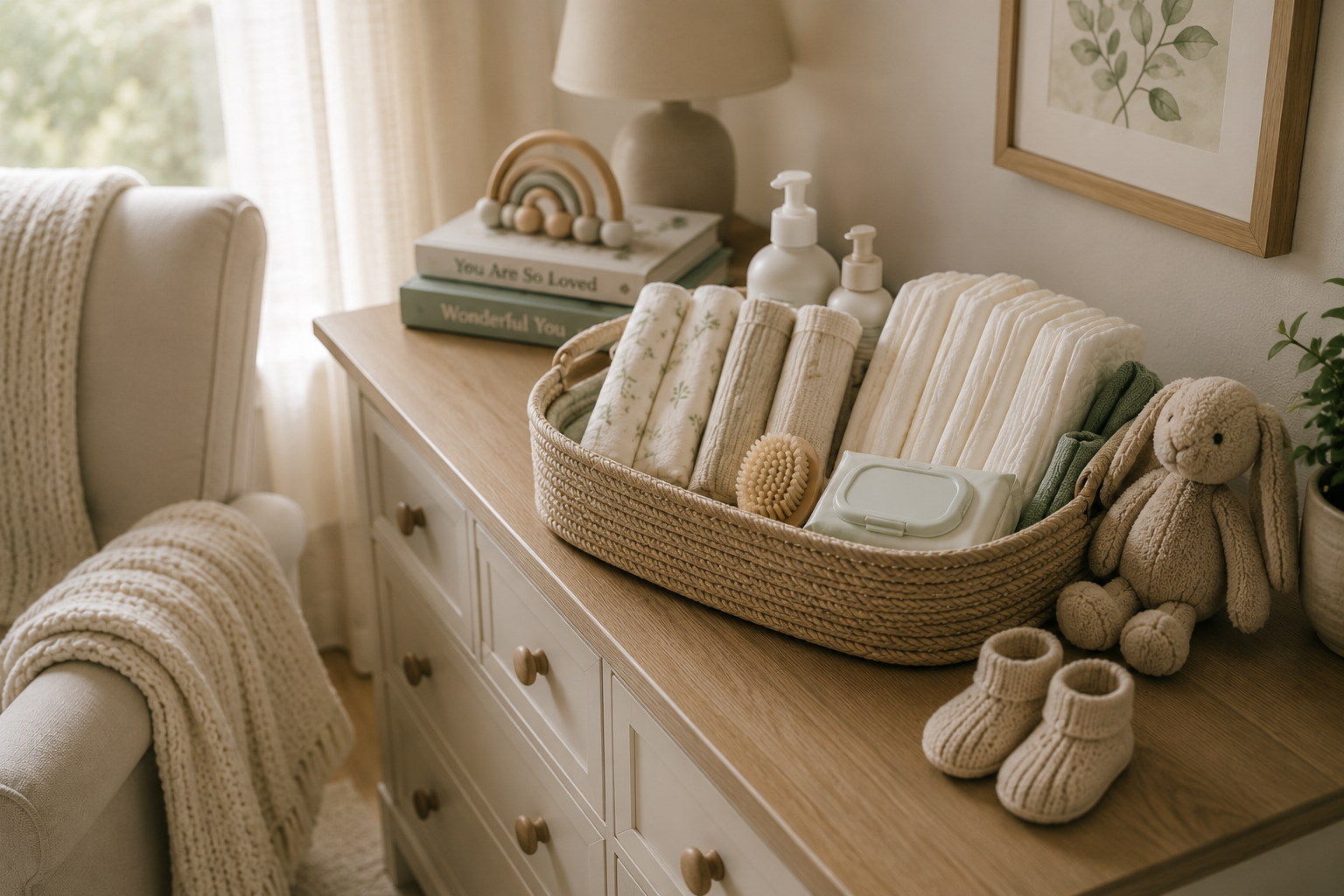
Stock up on diapers, wipes, diaper cream, and extra burp cloths before coming home if you can. Some parents like having a changing station on each level of the house so they are not constantly walking back and forth with two babies.
For baths, many families keep it simple at first. One baby can bathe while the other rests nearby, or you can alternate bath days if that feels easier. Newborn twins do not need complicated routines. Clean, fed, safe, loved. That is the assignment.
Tips That Help
- Keep diapers, wipes, cream, and extra outfits in more than one spot.
- Use a simple tracker if you need help remembering wet and dirty diapers.
- Prep burp cloths and swaddles where you actually use them.
- Batch tiny tasks when it helps, but do not pressure yourself to do everything perfectly.
- Lower the bar. Then lower it again. The newborn phase is not a home organization contest.
Your Recovery and Emotions
Bringing home twins does not erase the fact that you are also recovering. Whether you had a vaginal delivery, C-section, or both, your body needs time and support.
Rest when you can, eat nourishing food, drink water, and accept help. Postpartum feelings can range from joy to tears to anxiety to “why am I crying because someone looked at me kindly?” Hormones are wild. Add sleep deprivation and two newborns, and it is completely understandable to feel emotional.
Many twin moms say the mental load of worrying about two babies is one of the hardest parts. Give yourself grace. You are learning on the job with two babies at once.
What You Do Not Have to Do Right Now
- You do not have to keep the house spotless.
- You do not have to entertain visitors.
- You do not have to answer every text.
- You do not have to fold every tiny piece of laundry.
- You do not have to pretend this is easy.
During these first weeks, feeding your babies, healing your body, and getting through the day are enough.
If both babies nap at the same time, resist the urge to deep clean the kitchen. Sit down. Eat something. Or stare at the wall in complete silence. That counts as self-care too.
When to Reach Out for Help
Contact your pediatrician if either baby has fewer wet diapers than expected, seems unusually sleepy or lethargic, has trouble feeding, has signs of dehydration, develops a fever, or if your gut says something is not right.
For you, call your provider if you have heavy bleeding, signs of infection, worsening pain, shortness of breath, chest pain, severe headache, vision changes, thoughts of harming yourself or your babies, or emotional symptoms that feel heavy or scary.
You are not bothering anyone by calling. Newborn twins come with a lot of questions, and your care team would rather you ask than sit at home worrying.
You Are Doing Better Than You Think
The newborn phase with twins is intense, but it does pass. Many families look back and realize they slowly found their own rhythm, even if the first weeks felt chaotic.
Focus on one day at a time. Accept help when offered. Celebrate small wins, like both babies napping at the same time, finishing a warm meal, or remembering which baby ate last without checking the tracker. Tiny victories count.
You have already done the incredible work of growing and delivering two babies. The early days are just the next part of the journey, and you do not have to do it alone.
Helpful Resources
Pair this guide with free Twin Mom Club printables and related guides.
Twin Feeding Tracker Printable Twin Hospital Bag Checklist More Twin Mom GuidesMedical Disclaimer
This content is for informational purposes only and is based on common experiences. It does not replace professional medical advice. Consult your healthcare providers for personalized care for you and your babies.