Newborn Twin Guide
Newborn Twin Essentials: What You Actually Need
A realistic twin baby gear guide for the first few months, without buying every gadget on the internet.
Important Disclaimer
This guide shares general information based on common twin parent experiences. Every family is different. Choose products that fit your space, budget, babies' needs, and lifestyle.
Preparing for newborn twins can feel overwhelming. There are hundreds of products marketed to parents of multiples, but you do not need to buy everything before your babies arrive.
This guide is a realistic list of items many twin parents find helpful during the first few months, plus a few things you can probably skip.
Quick Navigation
Must Haves
Two Safe Sleep Spaces
Each baby should have their own safe sleep space, such as a crib, bassinet, or pack and play.
A Double Stroller or Two Lightweight Single Strollers
Think about where you will use your stroller most. If possible, test a few before making a purchase.
Twin Feeding Support
A twin nursing pillow, two regular pillows, or another comfortable feeding setup can make feeding two babies much easier.
A Comfortable Chair
Whether you breastfeed, bottle feed, or pump, you will spend many hours feeding your babies. A chair with good back support can make a big difference.
A Quality Breast Pump
If you plan to pump, choose a reliable pump and consider buying extra pump parts so you are not constantly washing them.
Burp Cloths and Bibs
You will use far more than you expect. Keep extras in every room, your diaper bag, and your car.
Plenty of Bottles
If bottle feeding, having enough clean bottles can make busy days much easier. Washing bottles every few hours gets old very quickly.
A Diaper Caddy
Keep diapers, wipes, diaper cream, burp cloths, and an extra outfit nearby. Many twin families like having one caddy on each floor of the house.
White Noise Machine
White noise can help reduce household sounds and create a calming sleep environment for your babies.
Comfortable Clothes for You
Soft pajamas, nursing-friendly tops if you're breastfeeding, and comfortable slippers are surprisingly important. You'll spend many hours caring for your babies during those first few weeks.
Nice to Have
- A baby swing or bouncer. Some babies love them while others never use them.
- A twin baby carrier or two single carriers for hands-free babywearing.
- A split-screen video monitor.
- A bottle sterilizer and dryer if you are bottle feeding.
- A spacious diaper bag that comfortably fits supplies for two babies.
- Blackout curtains if naps become difficult.
- A rolling cart stocked with feeding supplies.
- Extra sheets and mattress protectors for middle-of-the-night accidents.
Things You Probably Do Not Need
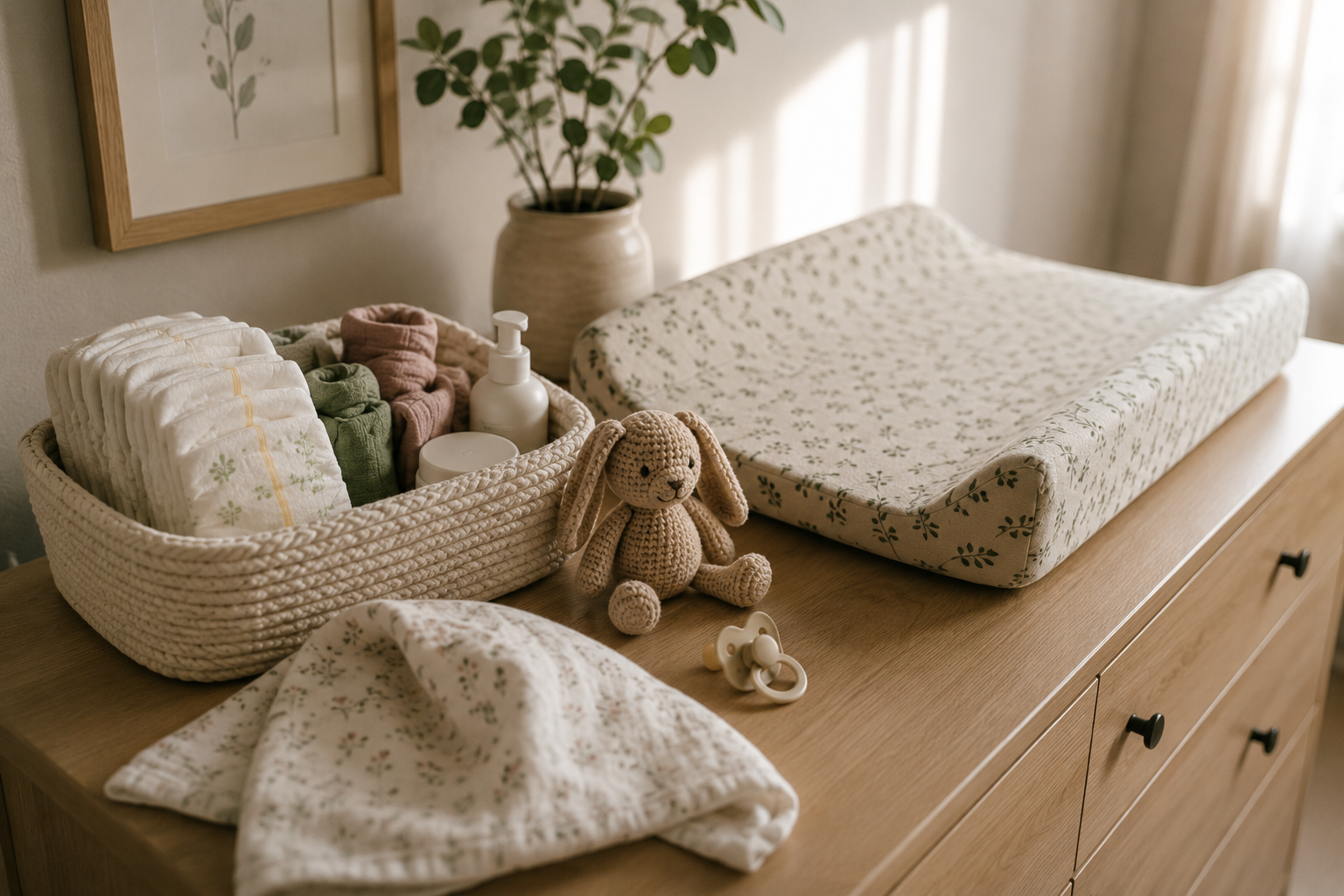
- A full-size changing table. A changing pad on a dresser often works just as well.
- Too many newborn clothes. Twins grow quickly, especially once feeding is established.
- A wipe warmer or expensive bottle warmer. Many families stop using them after a short time.
- Every baby gadget marketed specifically for twins.
- Huge quantities of one brand of bottles or pacifiers before your babies arrive. Twins often have different preferences.
Twin Parent Tips
- Buy two of anything that regularly goes in your babies' mouths, including pacifiers, bottles, and teethers.
- Don't feel like you need two of every piece of baby gear immediately.
- Start with the basics and add items as you learn what your twins actually enjoy.
- Prioritize products that save you time, simplify feeding, or help everyone get more sleep.
- The best baby gear is the gear that makes life easier for your family—not necessarily the most expensive option.
Remember, your babies need loving caregivers much more than they need fancy equipment. Start simple, and let your twins teach you what you actually need.
Related Resources
Pair this guide with more Twin Mom Club newborn support.
Feeding Newborn Twins Creating a Twin Feeding Schedule Newborn Twin Sleep: The First 12 Weeks Your Complete Twin Newborn Daily Routine Free Twin Newborn PrintablesMedical Disclaimer
This content is for educational and informational purposes only and does not replace medical advice. Always talk with your pediatrician or healthcare provider about your babies' feeding, sleep, growth, and individual needs.